01
Jazz
Reflection and improvisation
The evening often begins in this mood—brushes on the snare, a horn taking its time. Jazz taught the table patience: listen first, leave room for the next voice, and let the evening find its own shape.
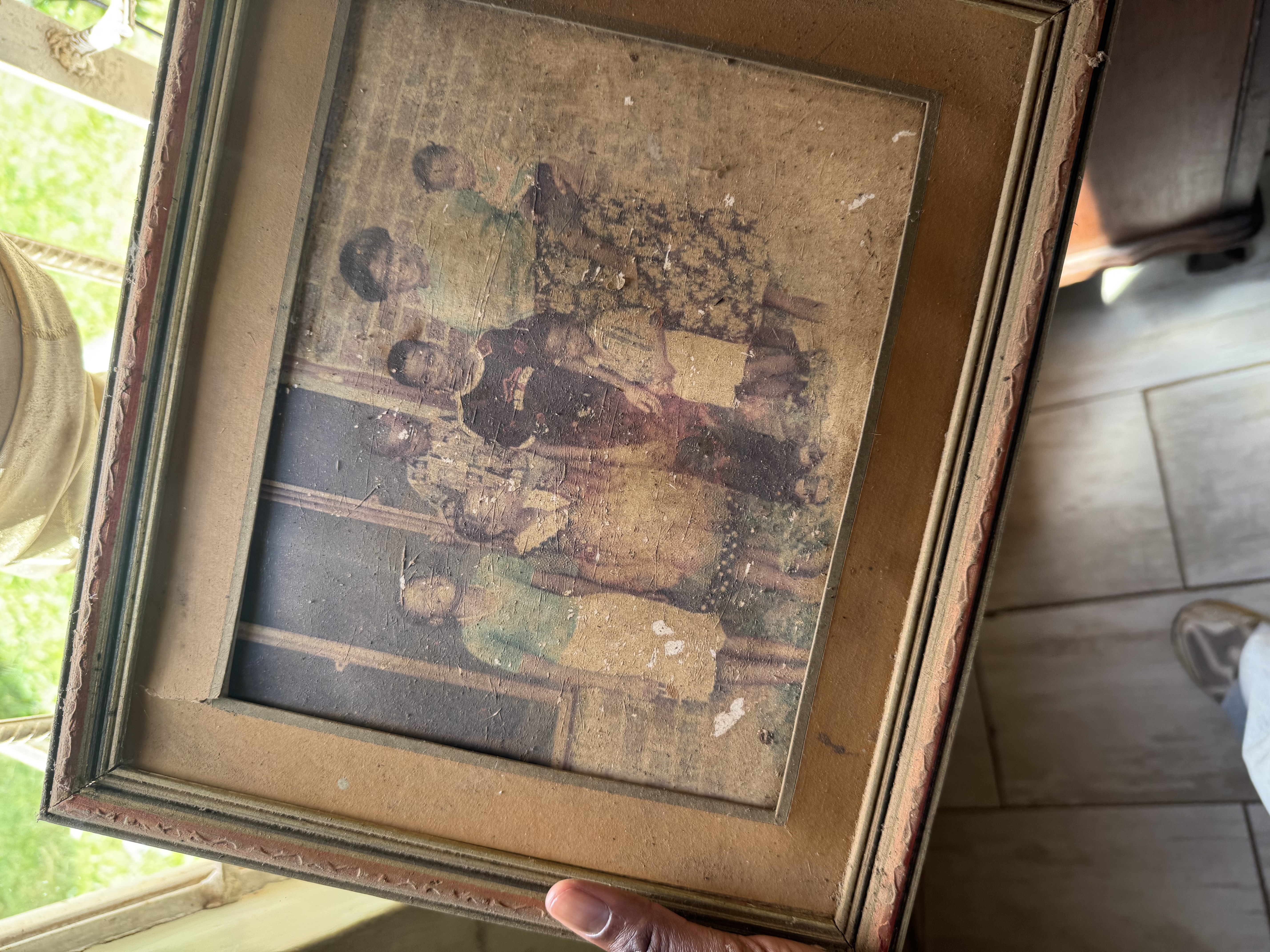
THE KUMBA ARCHIVE · ROOM 07
There was once…
A song before the supper.
A story before the recipe.
A rhythm carried from one home into another.
Paivepo is Kumba’s listening room—an evolving archive of Zimbabwean sound, language, memory and movement.
Here, mbira meets jazz. Tuku tells the truth. Ngoma and hosho call us into rhythm. Kwaito and amapiano carry the story forward.
We return to the music played around our tables, the proverbs that raised us and the voices that taught us how to remember.
LISTEN SLOWLY · READ CLOSELY · STAY AWHILE
SECTION TWO
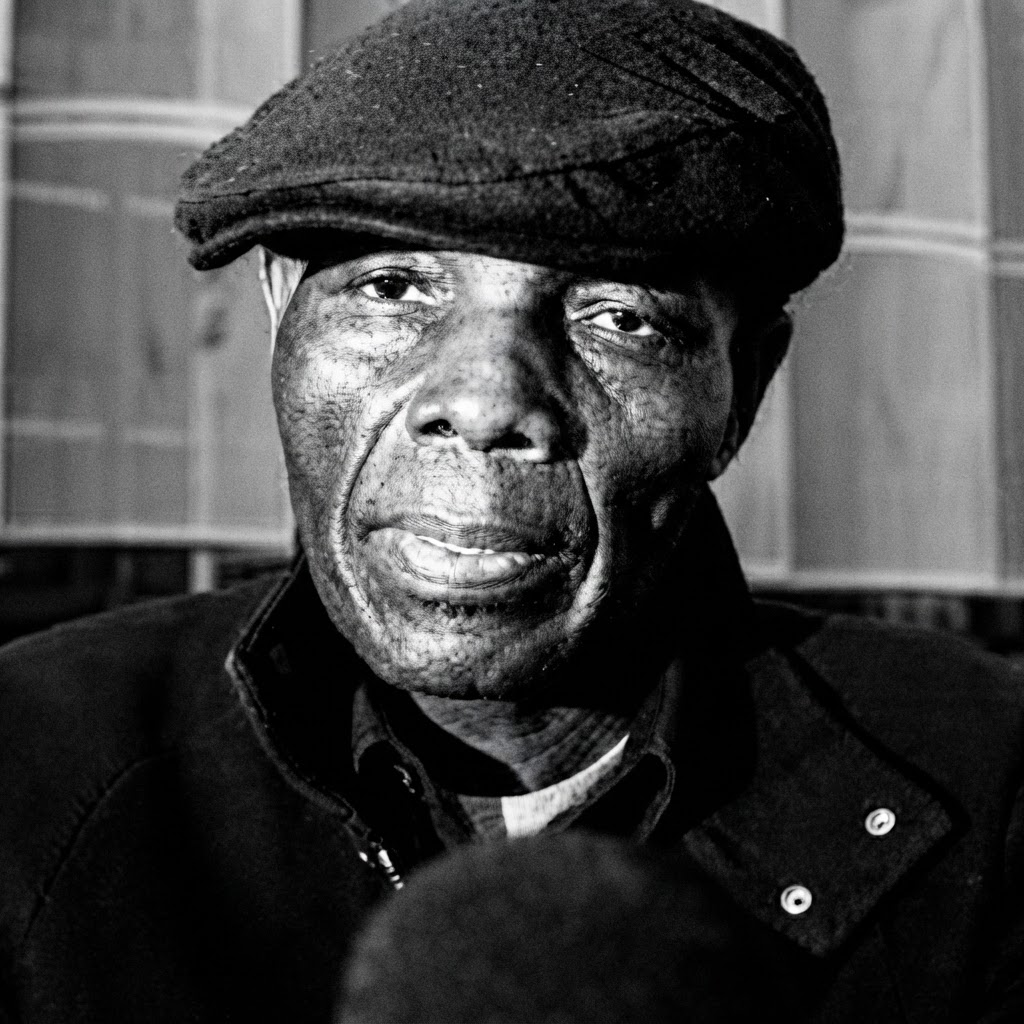
Oliver Mtukudzi’s music has deeply shaped the spirit of Kumba.
He did more than make songs. He carried questions, warnings, humour, grief and wisdom through music. He showed how a personal story could hold the memory of a people—and how something unmistakably Zimbabwean could speak far beyond Zimbabwe.
That has influenced how I approach Kumba.
The food may begin with my own memories, but the table creates space for other people to recognise theirs. A dish can carry history. A song can hold counsel. A gathering can become a way of preserving what might otherwise be forgotten.
Tuku’s music reminds me that telling your own story is not self-indulgence. When told honestly, it becomes an invitation for others to remember who they are.
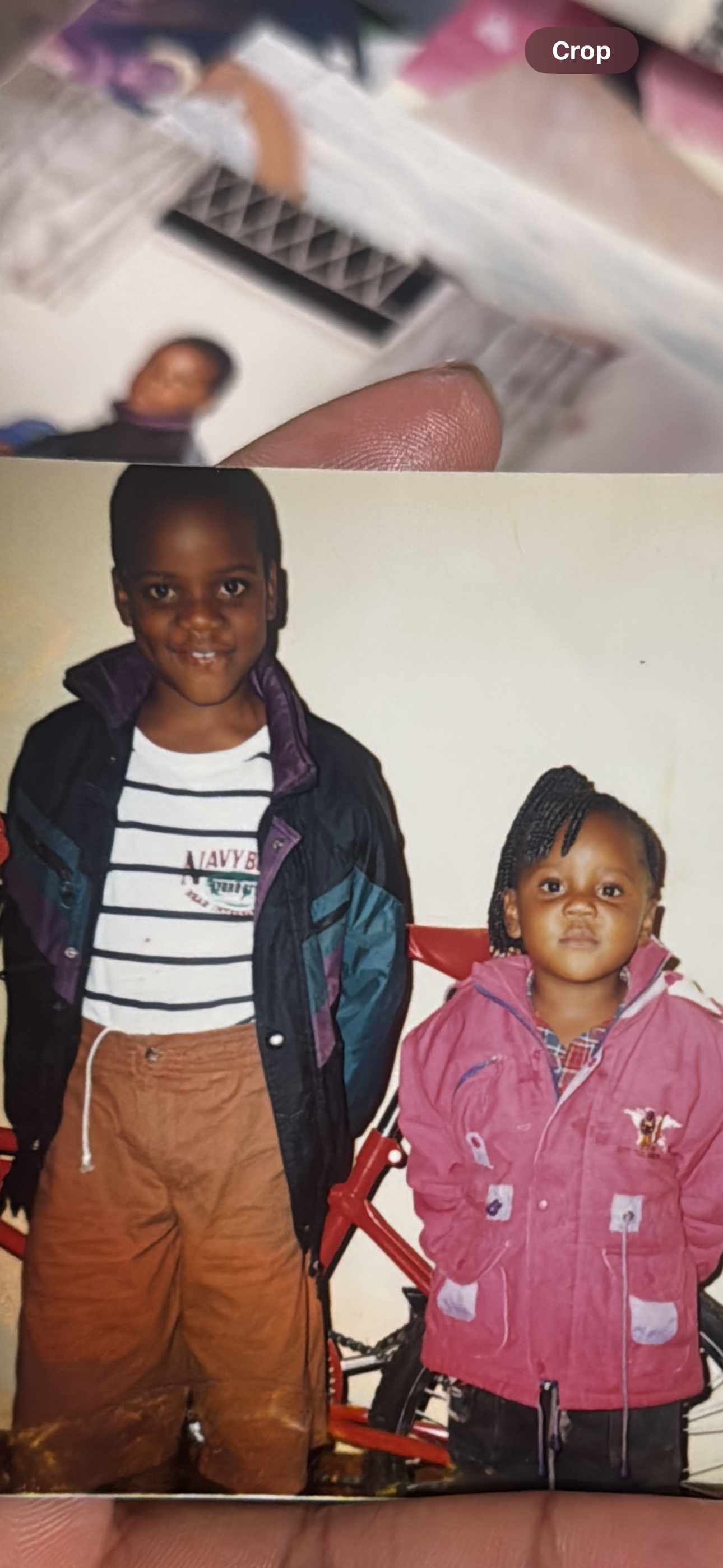
A personal memory
Playing outside for hours. Gogo's house and the guavas are an embedded memory — my absolute favourite childhood memory. I realised it's not just Gogo's house, the guavas, nor the endless playing that I always come back to. But Gogo's love that anchored me so deeply in God's love that still keeps me grounded to this day.
Featured song
Mutserendende — Oliver Mtukudzi
Why this song lives at the table
Mutserendende reminds me that the journey—the becoming, the work and the process—is the thing.
I feel deeply blessed to be part of the Zimbabwean diaspora and to use my gift of cooking to connect with others across it. Through food, I have found my way back to parts of my culture, preserved pieces of my heritage and learned to keep believing in my craft.
To be Zimbabwean and to love cooking is a story in itself.
I think of our people as nurturing and hospitable—people who know how to gather, how to make room and how to thrive around food and the table.
I am grateful that Tuku captured something so timeless and poetic in this song. Mutserendende reminds me to remain rooted while I continue moving; to honour what shaped me without rushing past what is shaping me now.
The destination matters. But there is grace, identity and purpose in the journey.
SECTION THREE
Five sounds the table keeps returning to. Not museum pieces—living sounds, still travelling, changing and gathering people.
01
Reflection and improvisation
The evening often begins in this mood—brushes on the snare, a horn taking its time. Jazz taught the table patience: listen first, leave room for the next voice, and let the evening find its own shape.
02
Memory, spirit and continuity
The mbira carries memory in cycles. Its loops do not rush—they return, deepen, and hold the room in a shared pulse, the way a repeated family story does.
03
Story, counsel and truth
Tuku’s voice sits closest to the kitchen. Weight, humour and counsel in one grain of a voice—proof that a story sung honestly can hold a whole people’s memory.
04
Township voice and movement
Kwaito brings the township into the room—slower, heavier, made for moving close. It is the sound of claiming joy in your own language and your own time.
05
The continuing Southern African rhythm
Amapiano carries the journey forward—log drums, air, space to move. The night usually ends here, in motion, the way good evenings do.
MOVE IN TIME
Rhythm is not only performance. Around the table it is timing, response and community—knowing when to begin, when to answer, and how to hold time for one another.
SECTION FOUR
An evolving collection of Zimbabwean wisdom. Each entry is reviewed before it is published.
P-01
A farmer is a person.
Cultural meaning to come — reviewed before publishing.
Reflection to come — Chef Mona.
SECTION FIVE
A song your mother played.
A tsumo carried through generations.
A smell from the kitchen.
A word, a rhythm, a ritual or something you believe the rest of us should know.
Leave something in the Kumba letterbox. Together, we are creating a living archive of the things the diaspora remembers, preserves and carries forward.
The letterbox is open. The archive will grow as letters are reviewed and published.
Music via official Spotify embeds · Photography from the Kumba archive · All rights remain with their owners